
Language
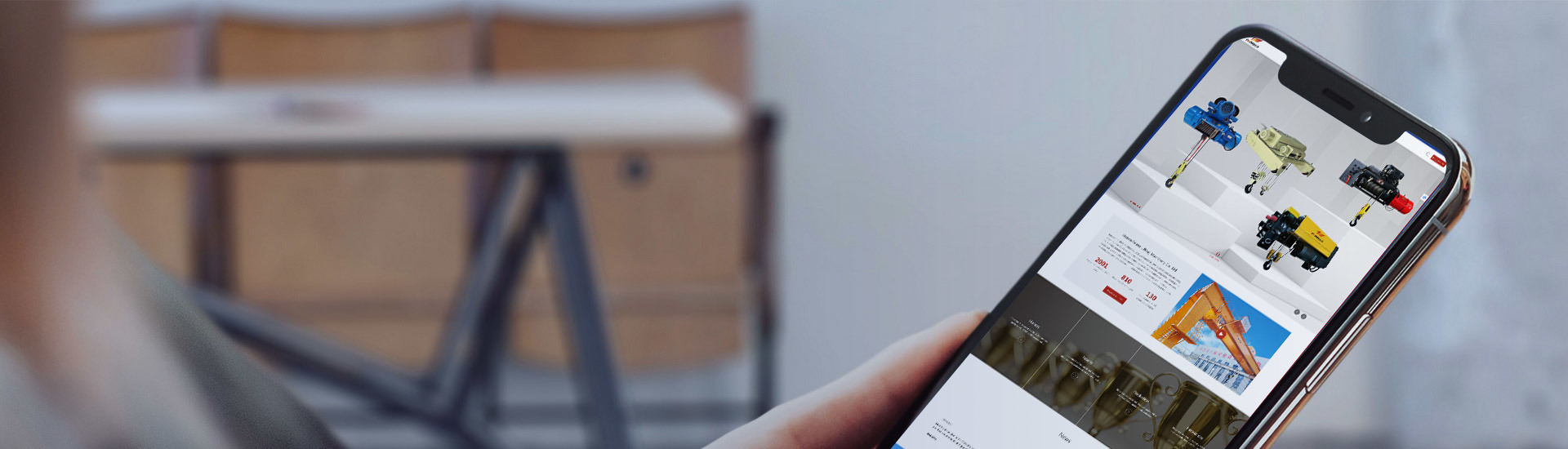
Pegasus crane research and development team contains huge energy, with scientific and technological innovation to achieve enterprise corner overtaking
Release time:
21-01-20
In Changyuan, Henan Province, the electric hoist made by Pegasus crane is well-known far and wide. As long as hoisting and transportation are used in major projects, Pegasus will definitely be selected for electric hoist with good quality. Excellent quality, good reputation, market recognition, so that Pegasus crane quickly among the forefront of the industry. And this glory is due to this technology research and development team that "refers to where to play" and has full combat effectiveness.
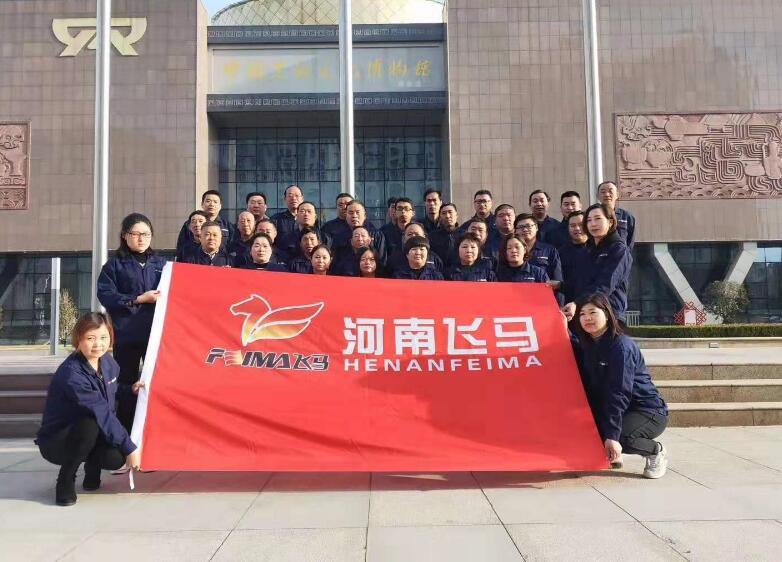
Mission must reach R & D team dare to overcome difficulties and constantly break through
Pegasus lifting team leaders, with their keen insight into the market and accurate control of the development trend of the industry, recognized the new lifting equipment in the early years, and only focused on light, intelligent, environmentally friendly and new lifting equipment in product layout and upgrading. Follow the market demand, take the lead in developing new lifting equipment, for the R & D team, this is undoubtedly a new round of technical research. The new lifting equipment is more intelligent and more functional. Compared with the traditional electric hoist on the market, it is light in weight, beautiful in appearance, safe and reliable, improves production efficiency and promotes industrial production. However, the technical content is more difficult, at that time only foreign enterprises have. The R & D team is faced with this highly difficult problem of "sticking neck". For them, the key details are almost strict with the requirements of technology and technology. For example, the heat dissipation of the motor is better. How to effectively reduce the temperature of the motor under high-intensity working pressure? The assembly accuracy should be high. If there is a slight difference in details and a little flaw in the size, there is no way to achieve the original performance requirements. The lifting height will not change much, and it is impossible to really increase efficiency and reduce costs.
Pegasus's R & D team adheres to the scientific research spirit of daring to bite hard bones and be able to sit on the bench, overcome difficulties a little bit, and solve key technical problems. The new electric hoist finally developed greatly saves investment costs for customers and achieves light weight and volume. The requirements of small, flexible operation, strong functionality and stable operation have become a hot product in the domestic market after launch.
In order to break through the technical barriers and achieve great power
On the way to meet the market demand, the Pegasus R & D team has continuously overcome difficult problems and won the equipment required for the construction of national key projects many times.
Nuclear power projects are very different from the electric hoist used in domestic construction. All requirements are higher than the domestic industry standards, and there is a big difference between the configuration and the domestic industry requirements. In Pakistan's nuclear power plant construction aid project, Pegasus crane to undertake the lifting equipment -60 tons of electric hoist. Even if the Pegasus crane has a higher advantage than its peers on the large-tonnage electric hoist, the standards in the project are a headache for R & D personnel. For example, the noise from the equipment shell is strictly controlled within 85 decibels, and the speed of the natural sliding volume when the equipment is stationary must reach the 1% of the lifting speed, and the motor brake must be changed to a brake... Every requirement is a big challenge for the research and development personnel, constantly check the data to change the drawings, countless times of data simulation experiments, for the equipment to develop a second brake, double brake in safety code. When the product fully meets the project standards, the R & D personnel once again carry out harsh process and technology optimization and upgrading, once again raise the manufacturing standards and improve product performance.
If the requirements of nuclear power projects are high temperature resistance, weathering resistance and braking safety, then the test of water conservancy projects is the corrosion resistance of the equipment and the stable operation under the condition of relatively large obstacles. In large-scale projects such as the Lower Kaifu Gorge Hydropower Station in Zambia, Pegasus's R & D team once again faces new challenges. The electric hoist used in the construction of hydropower station requires strong corrosion resistance and stable operation in water. From hoisting to standstill, it must be ensured that the equipment is not interfered by the surrounding environment during operation, the operating speed is higher than the domestic industry standard, and the operating time cannot reach the engineering acceptance standard for more than one second and less than one second. There is a certain gap between the field environment and the test environment, which requires that the equipment must be continuously improved in performance, reduce errors as much as possible, higher than the engineering acceptance standard, and ensure the safety and stability of the actual application.
Dare to face up to difficulties and overcome difficulties, the R & D team of Pegasus crane has excellently completed one R & D task after another, broken through technical barriers again and again, kept up with the pace of the company's strategic development, and promoted the continuous development of the industry. Standing at the forefront of the times and forging ahead with dreams, the Pegasus R & D team is devoting itself to a new round of scientific research with more enthusiasm and fighting spirit.
Related Information
Contact Us
Tel: +86-373-889559
E-mail: hnfeima@126.com fmcrane@feimaelectrichoist.com
Address: Changyuan County, Henan Province, Zhuang Industrial Zone

SAF Coolest v1.3.1.1 设置面板 FQVSD-ZANV-QXSVE-DAS
违禁词: First, best, first-class, leading, unique, king, leader, leader, extreme,
无数据提示
Sorry, the current column has no content for the time being.!
You can view other columns or returnHome Page